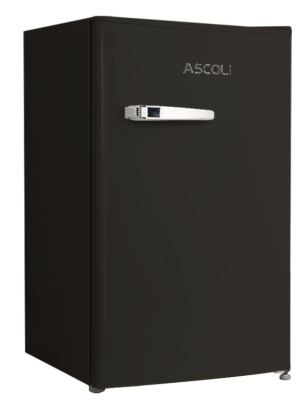

Choosing the right fridge for a caravan or campervan often feels like the most stressful part of a conversion or upgrade. You are not just buying a kitchen appliance; you are choosing how you will live, how long you can stay off-grid, and how much noise you are willing to tolerate while sleeping just inches away from the kitchen unit. In our three decades of supplying and installing mobile refrigeration, we have seen the debate between compressor and absorption technology evolve significantly. Before purchasing, it is wise to weigh what are the pros and cons of a 12v fridge compared to traditional gas systems. While one was once the undisputed king of the caravan park, the other has become the darling of the modern van-lifer.
Understanding the fundamental differences between a compressor vs. absorption fridges setup is essential before you part with your money. These two systems cooling your milk and beverages operate on entirely different physical principles. Picking the wrong one for your specific travel style can lead to warm butter, flat batteries, or a very frustrated holiday in the middle of the Highlands. In some cases, people even wonder can you use a 12v fridge indoors for a secondary guest room or home bar, highlighting the versatility of these units.
How Absorption Fridges Work in a Modern Caravan

Absorption fridges are the traditional choice for many factory-built caravans. They are often called 3-way fridges because they can run on three different power sources: 12V DC (usually only while the engine is running), 230V AC mains hook-up, and LPG gas. Instead of a mechanical pump, they use a heat source to circulate a chemical solution, usually ammonia, through a series of tubes to create cooling. Understanding the top 10 benefits of 12v fridges for off-grid living can help you decide if staying with a gas-dependent system is the right move for your style of travel.
The biggest draw of this technology is the silence. Because there are no moving parts like motors or fans, they are virtually silent, making them a popular choice for small interiors where every hum is magnified. Additionally, the ability to switch to gas means you can park up in a remote field without a single solar panel and keep your food cold for weeks, provided you have enough gas bottles. However, they are sensitive to being level. If you park on a steep incline, the chemical solution can struggle to circulate, potentially causing the unit to stop cooling or even sustain damage over time. If this happens, you may need to look into troubleshooting common issues with 12v fridges to get the system running properly again.
The Rise of the 12V Compressor Fridge
In recent years, the 12V Compressor Fridge has become the go-to option for serious off-grid travellers and boat owners. A compressor fridge works exactly like the one in your kitchen at home, but it is fitted with a specialist low voltage motor designed to handle the vibrations and tilts of life on the road. It uses a mechanical pump to circulate refrigerant, which makes it incredibly efficient at reaching and maintaining low temperatures, even in the height of a UK summer. Users are often surprised by 5 hidden features you didnt know your 12v fridge has, such as low-voltage cut-offs and rapid cooling modes.
One of the most frequent questions we hear is, can a 12v fridge keep food frozen? With compressor technology, the answer is a resounding yes. These units are not reliant on the ambient temperature outside, so even if your van hits 30 degrees Celsius, a compressor model from brands like Montpellier or IceKing will keep your items chilled. Because they are so efficient, many users find that you can run a 12v fridge on solar power quite comfortably, especially when paired with a decent battery bank. Furthermore, owners of modern power systems often ask can a 12v fridge run on a lithium battery, which is highly recommended due to the stable voltage lithium provides.
Power Consumption and Battery Management
When you are parked up without a mains hook-up, your biggest concern is usually how much juice your appliances are pulling from your leisure battery. There is a common worry among newcomers: do 12v fridges drain your car battery? In a properly wired system, your fridge should run off a dedicated leisure battery, not the starter battery of your vehicle. A compressor fridge is vastly more efficient on 12V than an absorption fridge. An absorption fridge is actually quite power-hungry when running on 12V, which is why they are typically wired to only draw electricity when the alternator is charging the system during a drive.
For those living the mobile lifestyle, knowing how long a 12v battery will power a fridge is the difference between a successful trip and a dead system. A modern compressor unit might only run for 15 to 20 minutes every hour once it has reached temperature, preserving your energy. If you are planning a new build, you should carefully consider what size battery you need to run a 12v fridge alongside your lights and chargers to ensure you have enough overhead for cloudy days. It is also important to know how to set the right temperature on a 12v fridge to balance food safety with power economy.
Comparing Efficiency in High Temperatures
Efficiency isn’t just about electricity; it is about performance when the sun comes out. Absorption fridges typically struggle once the outside temperature rises above 25 or 30 degrees. They rely on a heat exchange process that becomes less effective as the air around the back of the fridge gets warmer. When considering the environment, you might wonder what temperature range can you expect from a 12v fridge during a heatwave. This is why many owners look for clever ways to make a 12v fridge more efficient, such as ensuring they know how to ventilate a 12v fridge for better cooling.
Compressor fridges, by contrast, are far less bothered by the heat. They can maintain a steady internal temperature regardless of the weather outside. For many, this reliability is one of the main reasons every van lifer swears by a 12v fridge with a compressor. You simply set the dial and forget about it, without worrying if the milk has turned sour by lunchtime.
Installation and Practical Living Factors
If you are tackling a DIY project, learning how to install a 12v fridge in your campervan is generally easier with a compressor model. They do not require the external wall venting that gas-powered absorption fridges need, which means fewer holes to cut in the side of your van. However, you still need to think about space. We often suggest looking at space saving tips for installing a 12v fridge to ensure you have enough airflow around the unit without sacrificing valuable cupboard real estate. Crucially, you must also learn how to secure your 12v fridge in a camper conversion or off-road vehicle so that it remains stable during travel.
Noise is the one area where compressor fridges have historically lost points. While modern units are very quiet, you will still hear a soft hum when the motor kicks in. If you are sensitive to sound, there are ways how to quiet a noisy 12v fridge in a small space, such as using rubber mounting feet or adding sound-deadening material to the surrounding cabinet. For most people, the sound is no louder than a modern laptop fan and quickly becomes background noise.
Which One Should You Choose for Your Setup?

The choice usually comes down to how you plan to travel. If you spend most of your time on campsites with electric hook-ups, or if you prefer the absolute silence of a 3-way gas system and don’t mind the maintenance of gas safety checks, an absorption fridge remains a solid, traditional choice.
However, for the majority of modern users, the compressor fridge is the clear winner. The 12V Fridge for leisure use today is almost always a compressor model because of its superior cooling power, lower electricity draw on 12V, and simpler installation. To complete your installation, don’t forget to check the top 12 must-have accessories for your 12v fridge setup, including proper wiring kits and vent covers. If you are currently using an old absorption unit and finding it struggles in the summer or drains your batteries too fast, it might be worth checking the signs it is time to upgrade your 12v fridge. Modern compressor technology has come a long way, and the peace of mind that comes with a cold fridge is worth the investment.
Before making your final decision, take a look at our full range of 12V fridges to see which dimensions and capacities fit your vehicle. If you are still weighing up whether you need a dedicated freezer compartment, our guide on 12v freezer vs 12v fridge can help clarify your needs. Whatever you choose, ensuring you avoid 6 common mistakes to avoid when using a 12v fridge will help your appliance last for years of adventures. If you need specific advice for your unique off-grid setup, you can always contact our team for a chat.