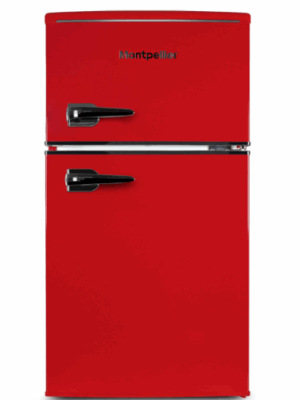
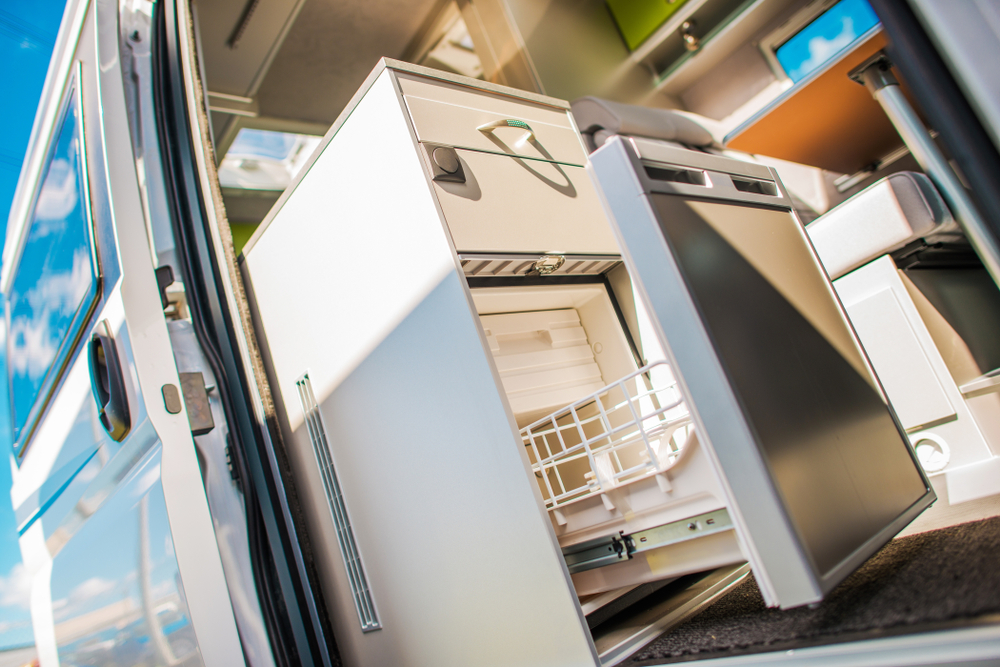
When you are planning a campervan conversion or kitting out a narrowboat, the question of voltage usually comes down to a simple trade-off between convenience and efficiency. Many people assume that 12V appliances electricity usage must be lower simply because the numbers are smaller, but the reality of off-grid power is a little more nuanced. It is not just about the raw power an appliance draws, but how that energy is moved from your battery to the device itself. Before committing to a purchase, it is worth checking a 12V appliance buying guide to understand exactly what to look for in terms of efficiency.
At Inlander Low Voltage, we have spent over 30 years helping people navigate these decisions. As a family-run business, we have seen countless setups where an inefficient inverter has drained a battery bank overnight, leaving owners wondering where their power went. Understanding whether 12V appliances actually use less electricity requires looking past the stickers on the back of the machine and considering your entire electrical system, which is why we have created a comprehensive guide to 12V appliances to help you decide.
The Efficiency Gap Between 12V and 240V
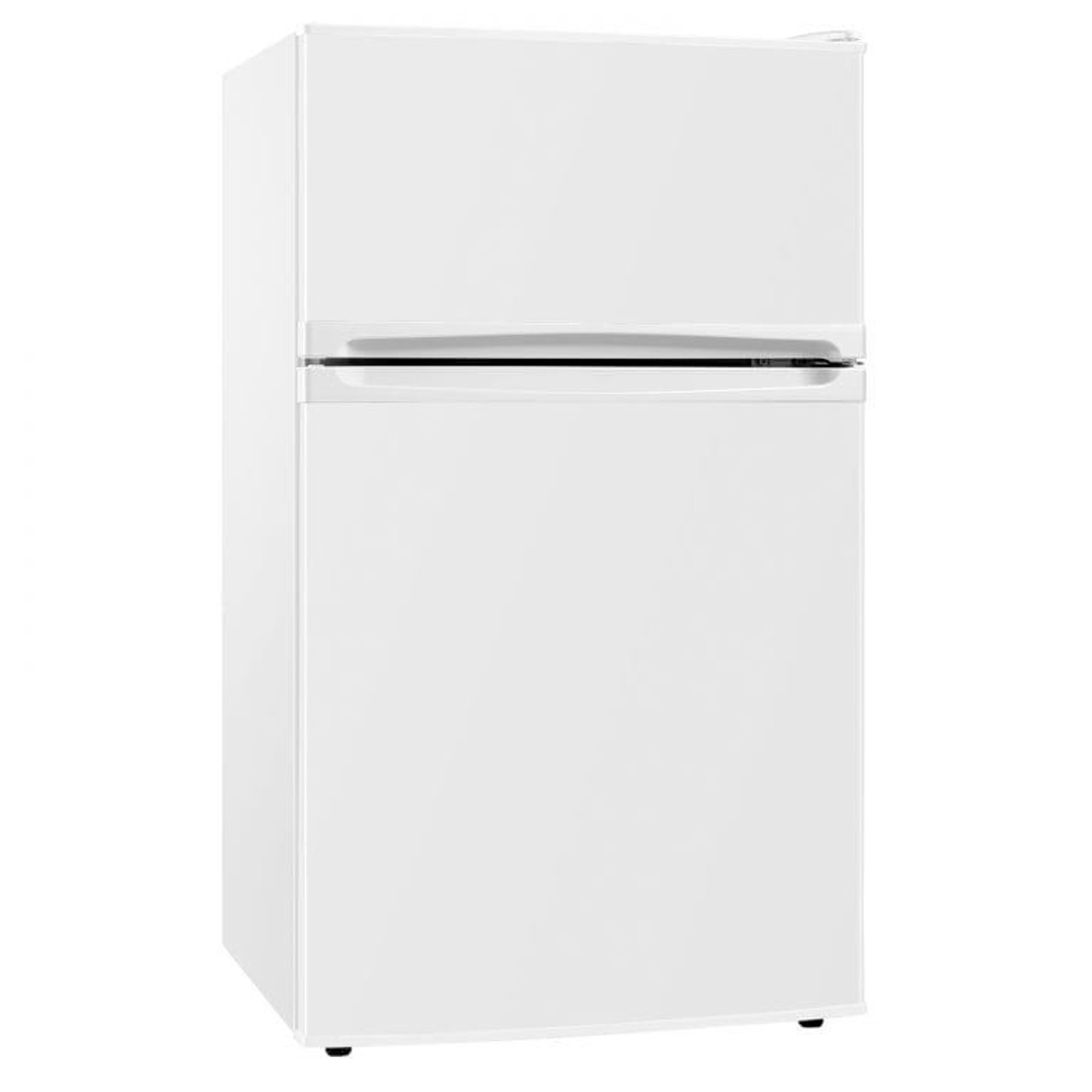
Strictly speaking, a watt is a watt regardless of voltage. If a fridge requires 40 watts to run, it needs that amount of energy whether it is plugged into a household socket or a leisure battery. However, the 12V vs 240V power consumption debate is really about the middleman in your system: the inverter. If you use standard household appliances in a van or boat, you must use an inverter to step your 12V battery power up to 240V. This process is never 100% efficient.
Most inverters lose between 10% and 20% of their energy just by being turned on and performing the conversion. This is known as parasitic draw. When you use dedicated 12V fridges, you bypass this conversion loss entirely. The appliance takes power directly from the source, meaning every amp pulled from the battery goes toward keeping your milk cold rather than heating up an inverter cooling fan. Over a 24-hour period, this efficiency gain can be the difference between a healthy battery and a flat one, so it is crucial to calculate how much battery power you need to run a 12V fridge effectively.
Does a 12V Fridge Use Less Power Over Time?
In many households, a fridge is just another background noise, but in a mobile environment, it is often the largest single draw on your system. Because they run 24/7, even tiny differences in efficiency add up. When customers ask do 12V fridges use less power, we explain that it is often about the compressor technology. High-quality 12V units are designed specifically for the fluctuating temperatures and movement of a vehicle, whereas domestic fridges are built for stable, stationary kitchens. For many, 12V fridge freezer combos offer a space-saving solution, though it is worth weighing up if they are truly worth it for your specific off-grid use.
For those looking for a straightforward solution without complex settings, our no frills 12V appliances offer a balance of reliable cooling and sensible power draw. These units are designed for practical off-grid use, avoiding unnecessary gadgets that might otherwise contribute to battery drain 12V appliances often suffer from if they are poorly designed. If you are unsure how this fits into your specific setup, we recommend reading our blog to understand the practical factors that matter most for your needs.
Managing Battery Drain and Off-Grid Longevity
The goal of off-grid appliance efficiency is rarely about saving money on a bill; it is about extending your stay in the wild. If your system is more efficient, you can park up for three days instead of two before needing to move or start the engine. This is particularly vital when considering caravan fridge power usage, where you might be relying on a single leisure battery. The less energy your fridge wastes, the more you have available for lights, water pumps, and charging phones.
We often stock units from trusted brands like Montpellier and LEC, which are specialists in the low voltage market. These are popular choices for narrowboats and canal boats because they offer the familiar layout of a domestic fridge but with the internal wiring required for marine and mobile use. For those who need more room, a dedicated 12V larder fridge provides ample space without the massive power spike often seen when large domestic units try to kick-start their compressors via an inverter.
What About Solar Power and Charging?
If you have a roof covered in panels, you might think efficiency matters less, but solar power 12V appliances are a match made in heaven for a reason. Solar panels produce DC electricity, and batteries store DC electricity. Keeping your appliances on a 12V DC circuit is the most direct way to use that harvested sun. You can learn more in our beginner’s guide to running 12V appliances on solar power. Using 12V gear allows for a more efficient solar array because you aren’t fighting against the efficiency loss of a 240V conversion system. This makes for a much more streamlined campervan electrical consumption profile.
To get the most out of your panels, you need to know exactly how much battery power you need to run your appliances. It is not just about the size of the battery, but how quickly you can replenish it. In many cases, using dedicated 12V units like those from CDA or Fridgemaster ensures your daily energy consumption remains within the limits of your battery bank, especially during the shorter days of autumn or spring.
Practical Choices for Real-World Budgets

We understand that kitting out a van or boat is expensive. We stock both brand new and graded appliances as a way to help customers save money. If you are wondering what are graded appliances and are they worth buying, the answer usually comes down to significant savings for minor cosmetic issues. A graded unit from a brand like IceKing, Swan, or Haden might have a small cosmetic mark, but electrically it is perfect for 12V use. Graded items carry a minimum 6-month return-to-base warranty, while new products carry 12 months, giving you the low voltage power efficiency you need without the premium price tag.
Whether you are looking for 12V freezers to stock up for a long voyage or a 12V fridge freezer for a family motorhome, the priority should always be the total daily amp-hour draw. If you are ready to make the switch or need technical advice on your specific installation, you can always contact our team at our showroom. We can advise on how to install a 12V fridge in your campervan to ensure you get the ventilation right, which is arguably the most important factor in keeping your energy efficiency high for the long term.
Ultimately, 12V appliances do not necessarily use less energy to perform the task of cooling, but they allow your whole system to work with far less waste. By removing the need for an inverter and using components designed for the job, you effectively get more ‘life’ out of every charge, which is the only metric that really matters when you are miles from the nearest mains hook-up.