
There is a specific kind of frustration that only comes when you wake up in a silent campervan, reach for the light switch, and nothing happens. You checked your levels before bed, the solar was performing well all afternoon, and yet the leisure battery is flat. For many of us living or holidaying off-grid, campervan battery drain feels like a dark art, a mysterious leak that defies the simple maths of amps and hours. In reality, it is rarely one big culprit that leaves you stranded; it is usually a collection of small, invisible draws that nibble away at your power reserves while you sleep.
At Inlander Low Voltage, we have spent over 30 years helping people set up reliable mobile power systems. We have seen every possible configuration, from narrowboats on the Grand Union to self-build vans heading for the Highlands. Experience tells us that understanding your 12V power consumption is not just about knowing how many watts your fridge uses. It is about identifying the parasitic loads that stay active even when you think everything is switched off. If you are struggling to keep your lights on, it is time to look at the drains you might have missed.
The Invisible Parasitic Draws You Might Have Missed

A parasitic draw is any electrical load that continues to pull power from your leisure battery even when the appliance is not technically in use. The most common offender in modern campervans is the humble USB socket. Many of these wall-mounted ports have a small LED light or an internal transformer that stays active 24 hours a day. While a single socket might only draw 15 to 30 milliamps, a van fitted with six or seven of them can easily pull a significant amount of energy over a weekend. It is a slow, steady leak that can be the difference between a fridge running through the night or cutting out at 3am.
Inverters are another major source of unexpected battery issues. Many owners leave their inverter switched on even when they are not using 240V appliances. Even in standby mode, an inverter uses power just to keep its internal cooling fans and circuits ready. This ‘idle load’ can be surprisingly high, sometimes consuming more energy over 24 hours than the actual appliance you intended to power. If you are trying to be efficient, the best habit is to switch the inverter off at the physical unit the moment your laptop or toaster is finished.
Control panels and battery monitors also play their part. These devices are essential for managing your campervan electrics, but they are not free to run. Backlit displays and Bluetooth modules that sync to your phone for remote monitoring all require a constant trickle of current. Individually, these are tiny, but in a modern ‘smart’ van, the cumulative effect of these always-on components can lead to a noticeable drop in voltage during periods of storage or low solar gain. If you are noticing persistent power loss, you might want to check out our common causes for battery drain to narrow down the source of the problem.
Is Your Fridge Working Harder Than It Needs To?
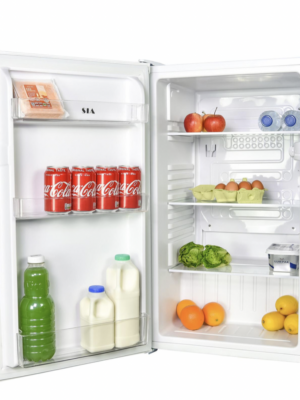
Refrigeration is usually the largest single consumer of power in any off-grid setup. However, the amount of energy it uses is not a fixed number. If your fridge has poor ventilation, the compressor has to run for longer cycles to displace the heat, leading to a much higher campervan battery drain than the manufacturer’s label suggests. We often see installations where the fridge is squeezed into a tight cabinet with no path for hot air to escape, forcing the motor to work overtime.
If you are planning a new build or looking to upgrade, our 12V appliance buying guide explains exactly what to look for to ensure your cooling stays efficient. Proper installation is just as vital as the unit itself. For those already on the road, checking that your vent grilles are not blocked by bags or coats can immediately improve battery life in your campervan. Before settling on a unit, many travellers ask 12V fridge freezer combos: are they worth it for off-grid use when compared to separate units. A happy compressor is a quiet one that sips power rather than gulping it.
How to Identify a Leak in Your 12V System
Finding a mystery drain requires a bit of detective work. The most effective tool is a simple battery monitor that shows current in real-time. Start by turning everything off, then look at the screen. If it shows anything other than 0.0A, you have a phantom load. You can then pull fuses one by one until the reading drops to zero; this tells you exactly which circuit is responsible for the draw you are aiming to reduce.
For those with more complex setups, including 12V appliances for narrowboats, the wiring itself can sometimes be the culprit. Old, corroded terminals or undersized cables create resistance, which generates heat and wastes energy. This is particularly common in older motorhomes where the leisure battery is far away from the appliances it serves. We have often found that simply cleaning the terminals and ensuring all connections are tight can solve ‘battery issues’ that were actually just poor conductivity.
Why Choosing Low Voltage Appliances Matters
One of the best ways to protect your power supply is to choose components designed specifically for the task. Many people try to save money by using domestic appliances through an inverter, but this is rarely efficient in the long run. We advocate for no-frills 12V appliances because they are built to operate directly from your battery without the energy loss of a conversion process. It is a simpler, more robust way to live off-grid.
When you use 12V equipment, you remove a layer of complexity from your system. Brands like Montpellier and LEC have developed units that are optimised for the fluctuating voltages found in leisure systems. Whether you are looking for a 12V larder fridge to fit under a narrow worktop or a compact solution from IceKing, the focus is always on reliability and low draw.
Practical Strategies for Prolonging Battery Life

Reducing your daily consumption does not have to mean living in the dark. It is about smart management. For example, if you have a 12V fridge freezer, try to keep the freezer compartment full. Items that are already frozen act as a thermal mass, helping the unit maintain its temperature with less effort from the compressor. If you have empty space, even a few bottles of water can help stabilise the temperature.
Solar power is a brilliant way to keep topped up, but it has its limits, especially in the UK. Understanding how to run 12V appliances on solar power means recognising that your panels might not keep up during a rainy week in November. During these times, being aware of off-grid power tips like dimming LED lights or charging your mobile devices only when the sun is shining can prevent you from dipping too deep into your battery’s capacity.
It is also worth considering what happens to your 12V appliances during a UK winter. Cold temperatures reduce the chemical efficiency of lead-acid and AGM batteries, meaning they effectively have less capacity than they do in summer. This makes identifying those hidden parasitic draws even more critical, as you have less of a buffer to play with when the days are short and the solar gain is minimal.
Making Quality Affordable
We understand that kitting out a van or boat is a significant investment. This is why we stock a range of options to suit different budgets. You might find that Swan or Haden appliances provide the perfect balance of style and efficiency for your build. If you are looking to save further, you might wonder what graded appliances are and if they are a viable option. At Inlander, our graded stock consists of units that are electrically perfect but may have minor cosmetic marks, offering a substantial saving while still coming with a warranty for peace of mind.
Reliable refrigeration is at the heart of comfortable mobile living. Whether you need a full range of 12V fridges to choose from, or you need a dedicated 12V freezer for longer trips, the goal is always the same: keeping your food fresh without worrying about the morning voltage reading. Brands like CDA offer excellent build quality that stands up to the vibrations and movement of a vehicle on the road.
If you are struggling to get your head around your electrical setup, or if your leisure battery is not lasting as long as it should, we are here to help. You can read more about the technical side in our guide on whether 12V appliances use less electricity, or see our practical advice on how to install a 12V fridge correctly. For tailored advice on your specific setup, feel free to contact our team. We have spent decades in the workshop solving these puzzles, and we are always happy to share that experience to keep your off-grid adventures running smoothly.